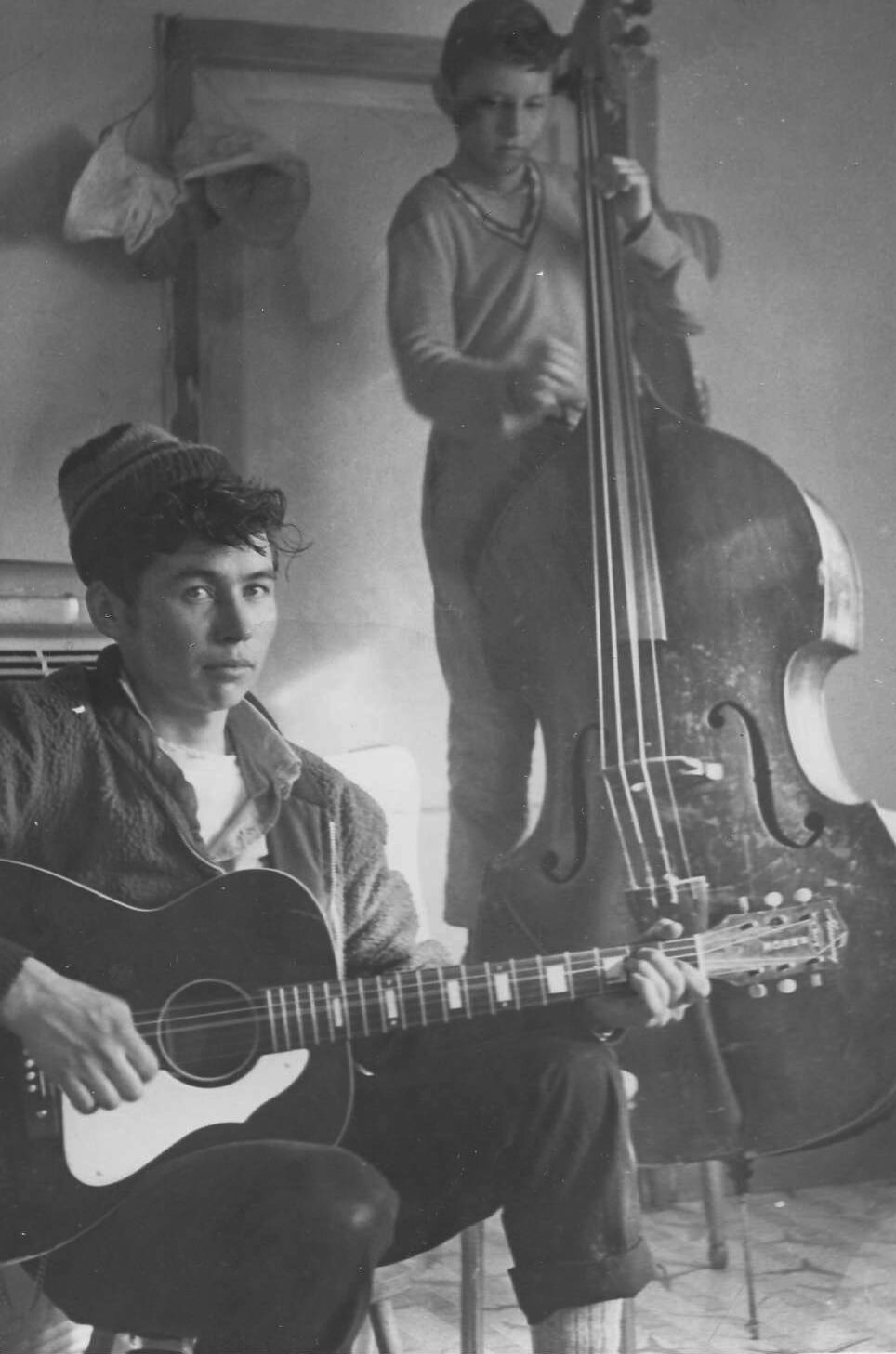
The Musicians of the Midnight Sun Podcast is a
collection of interviews profiling the music makers
from the Northwest Territories,
from the late 1950s to the mid 1970s.
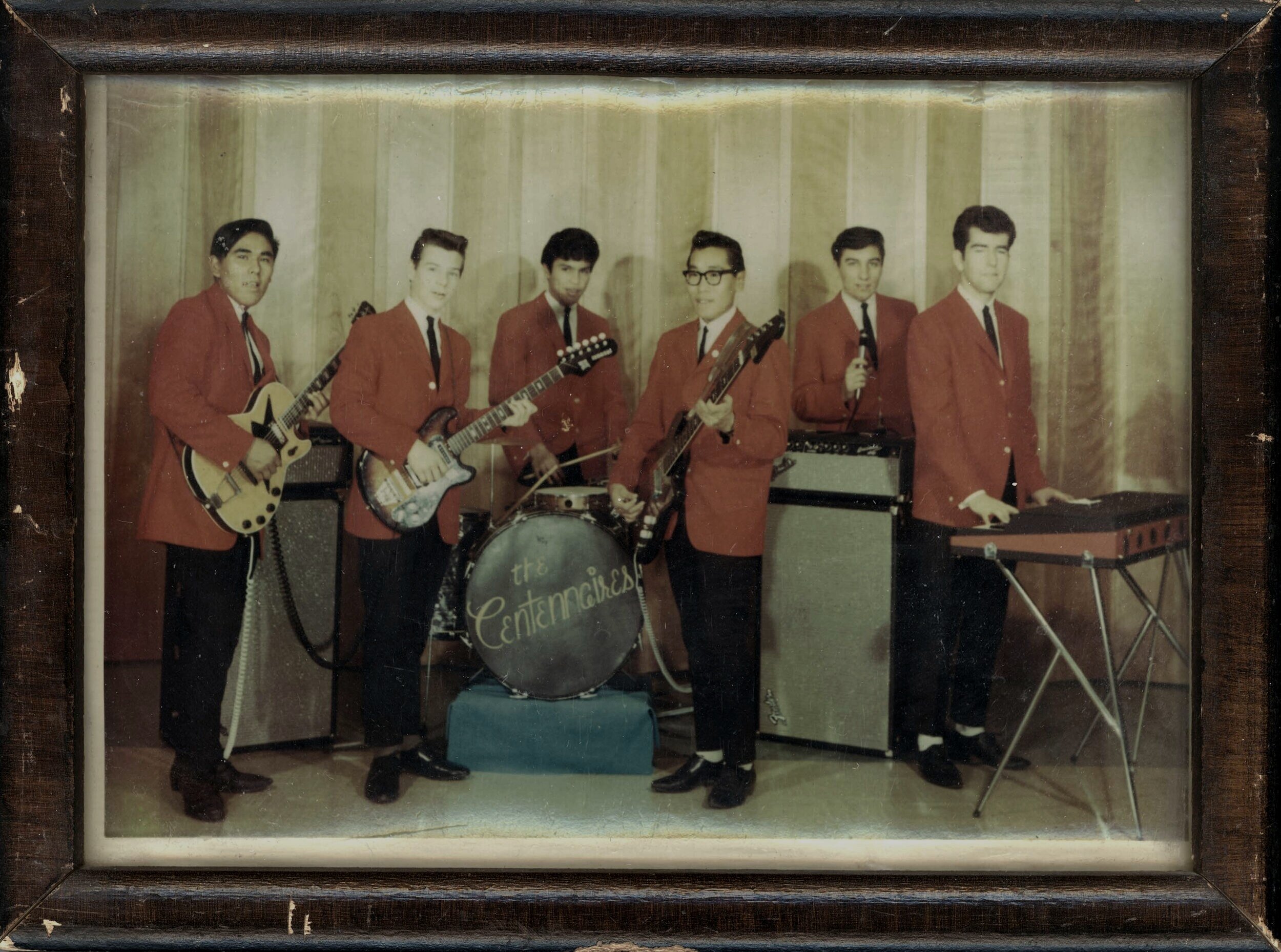
A time of cultural and musical revolution not only in North America, but around the world.
Music & voices from the past


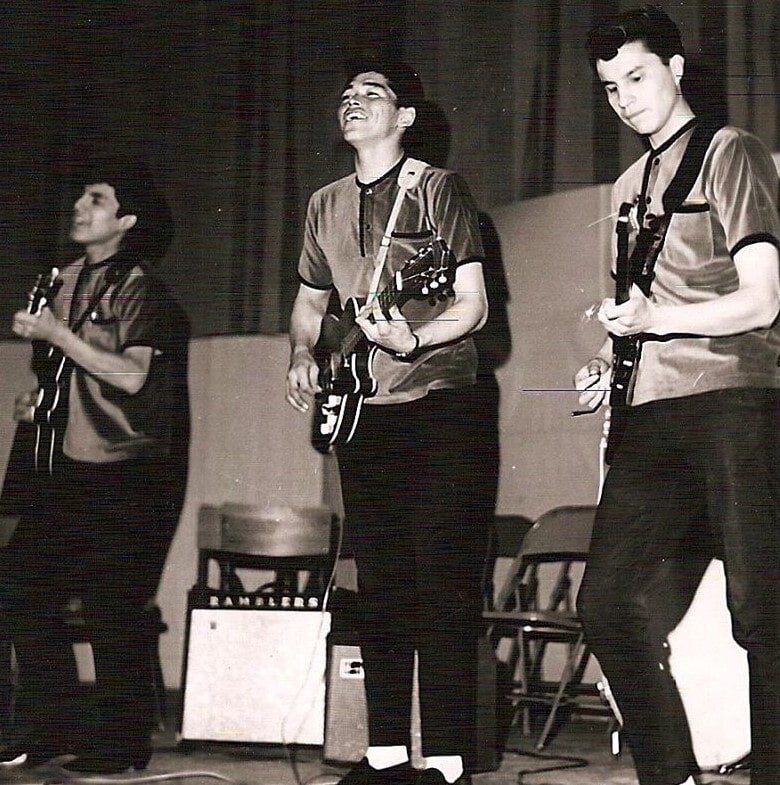

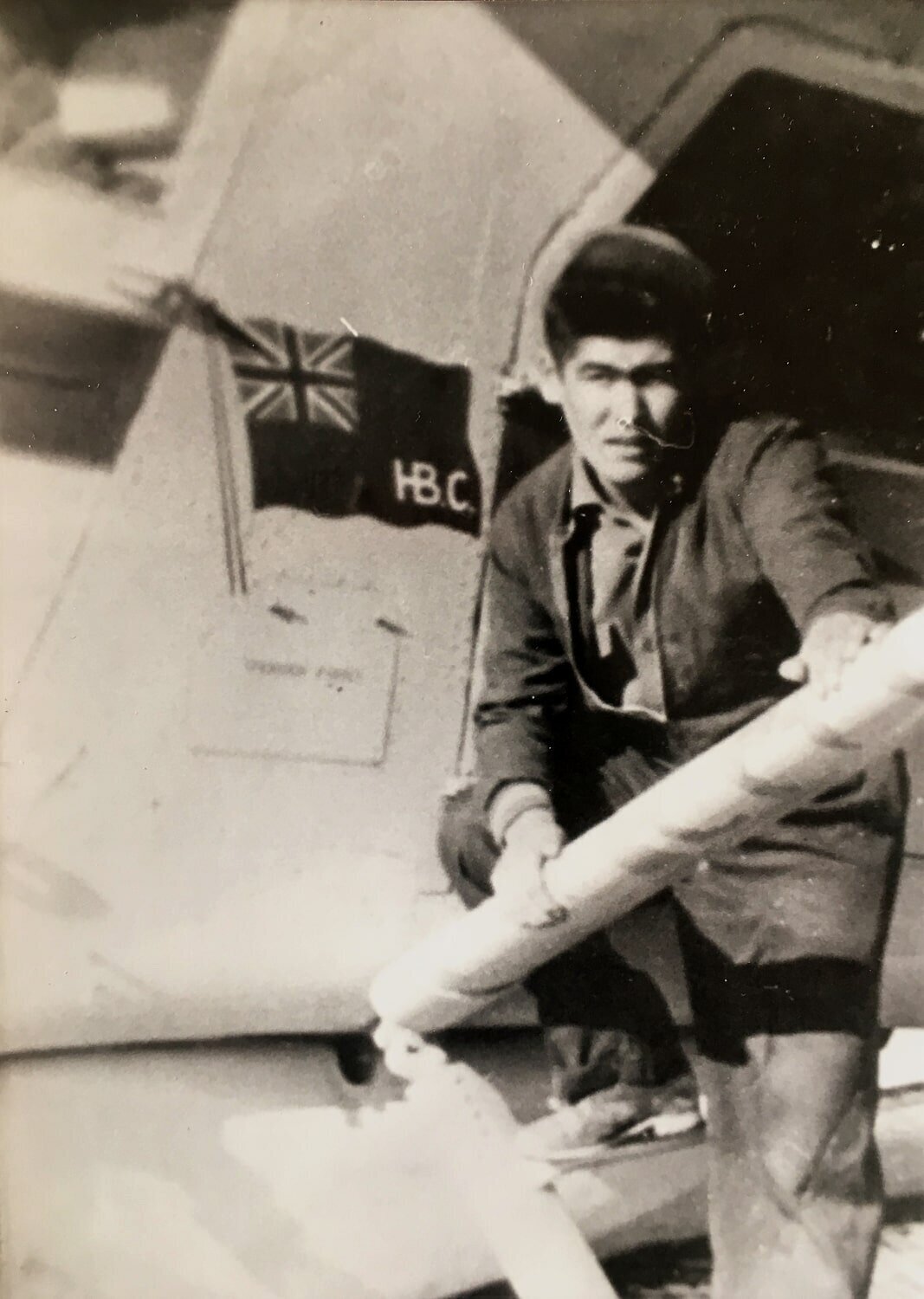
The insights contained in the following interviews document how the time and influence of these revolutions resonated with these popular and traditional musicians of northern Canada..
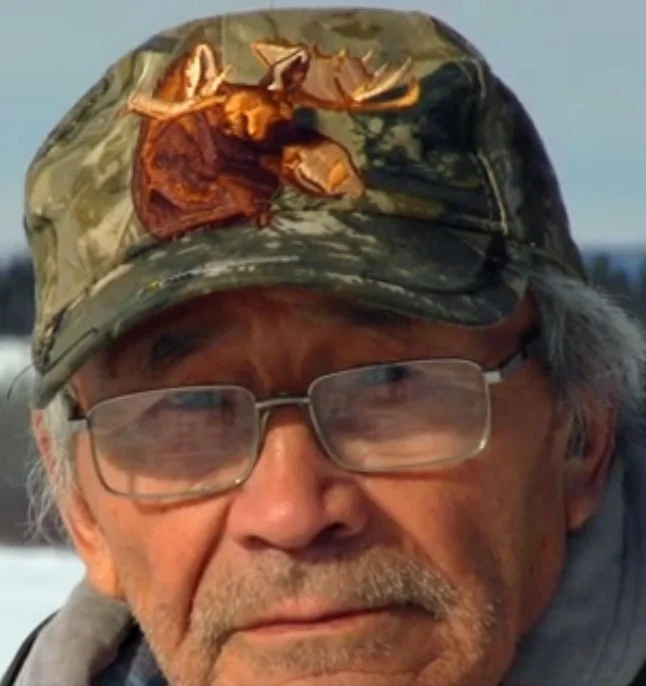
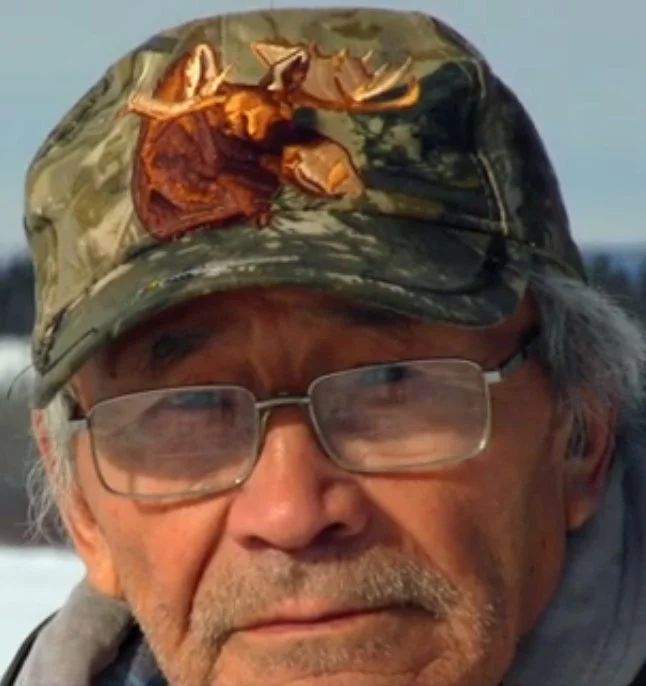
latest Podcast episode - Jonas Antoine
In this interview, Jonas talks of growing up in the traditional lifestyle of the Łı́ı́dlı̨ı̨ Kų́ę́ got’ine. on the Rabbit Skin River and of the music he experienced as a young man. In 1959, Jonas jumped on a floatplane that took him to Yellowknife to attend high school where he resided at Akaitcho Hall. There he met Albert Canadien and John Radcliffe, both of whom would later become instrumental in the formation of “The Chieftones”. Jonas worked with “The Chieftones” as their road manager and soundman from 1966 – 69, The band performed at state and county fairs and showrooms across the US, opening for iconic American artists and bands such as “The Beachboys”, Jerry Lee Lewis, “Sir Douglas Quintet”, “The Everly Brothers” and many more. Jonas’ memories and anecdotes provide a fascinating perspective of touring with “The Chieftones”, through the continental US from the mid to late 1960s.
All artists
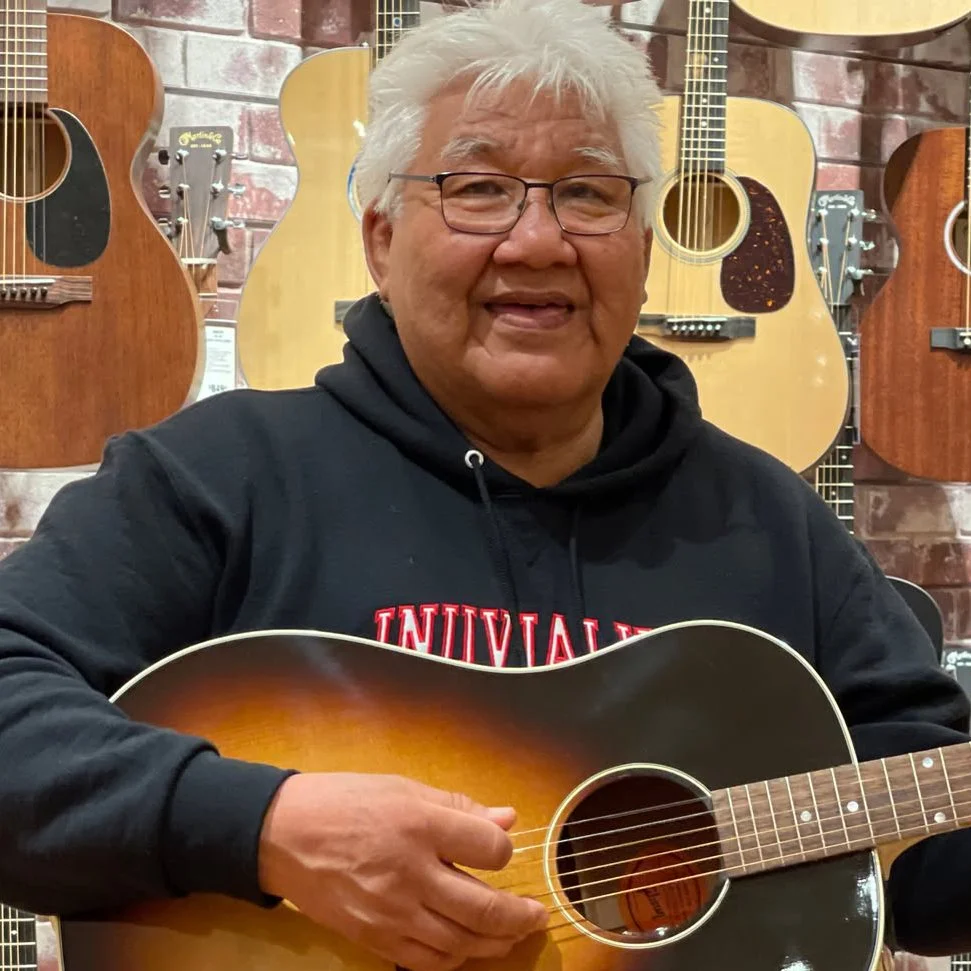

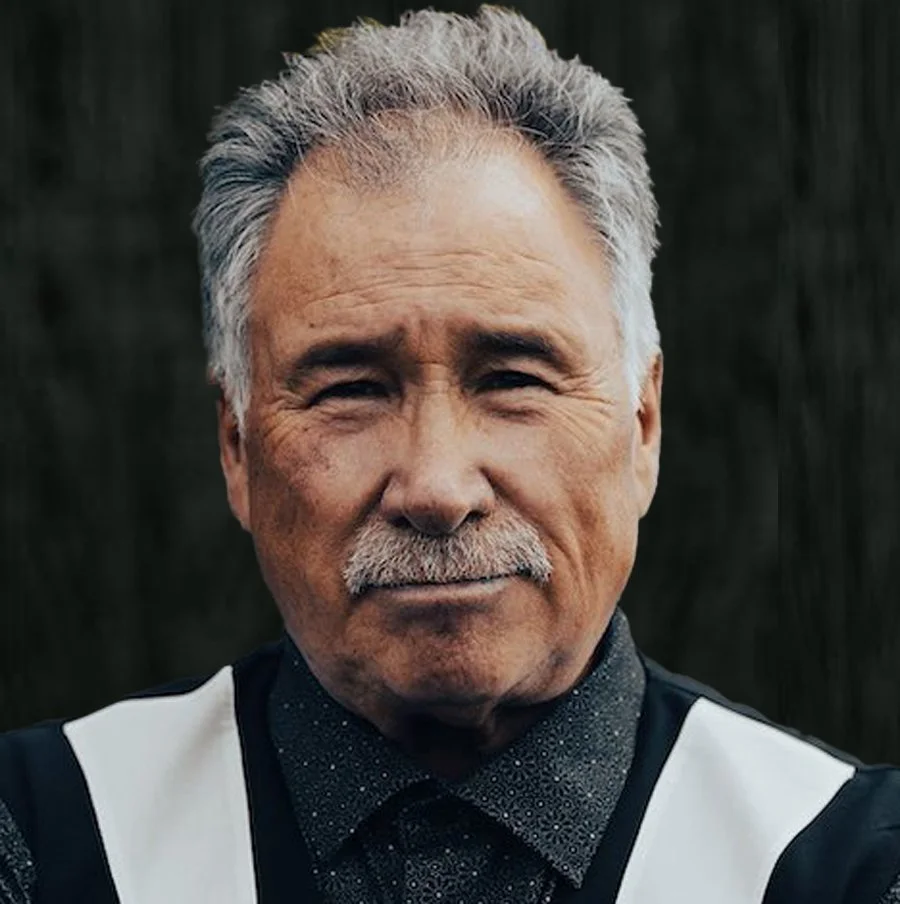


meet host pat braden

As a young, idealistic Bass player looking to make his way in life as a professional musician in the late 1970s, I looked to the recordings and photographs of the musicians from the early Rock and Roll, Blues, Country and Big Band eras as my model.
While this was happening in the cities and cultural centres of North America and the world, I wondered if there might be an equally rich and relevant history here in the north that would parallel or echo these profound musical eras.
When I began collecting these interviews in 2003, I was driven by the desire to create a freely accessible place and a welcoming vessel where these musicians and their musical stories could be documented, recognized and celebrated. Through my own musical journey, I recognize that I gravitate to musicians and musics that have preceded my own generation.
I have always felt that I should have been born, at least, a Baby Boomer so that I would have been able to participate or at least been witness to this amazing time of cultural revolution and musical upheaval.
With this project, I recognize now that the closest I will ever get to identify with those times is through the eyes, the experiences, the musics, the insights and stories of these musicians of northern Canada who lived it.